AI
Xiaomi Unveils Its Own Mobile AI Chip, Challenging Qualcomm and MediaTek
Xiaomi launches a mobile processor for its flagship devices, pressuring Qualcomm and MediaTek, which have long supplied key components to the Chinese company.
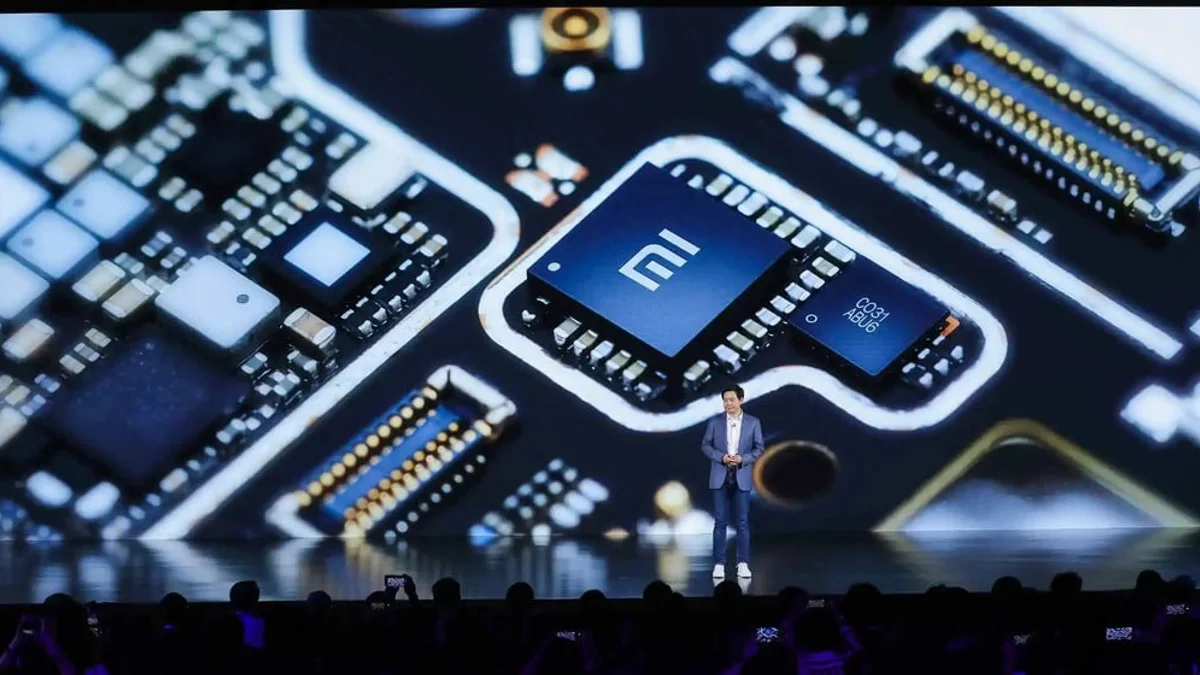
Xiaomi Corp. has officially launched a mobile processor for its flagship devices, a strategic move that places the Chinese company in direct competition with Qualcomm Inc. and MediaTek Inc., the two semiconductor suppliers that have provided key components for Xiaomi smartphones for years. Bloomberg Technology reported the decision on August 24, 2026, marking a significant shift in the global mobile chip supply chain. Xiaomi's move to develop its own AI capable mobile chip is part of a broader trend among Chinese smartphone makers to reduce reliance on external suppliers. By owning its chip design, Xiaomi can optimize hardware software integration and control production costs over the long term. It also gives Xiaomi greater flexibility in designing AI features tailored to its product ecosystem.
The decision did not occur in a vacuum. Several other Chinese smartphone manufacturers have already pursued similar paths. Xiaomi's step intensifies competitive dynamics in a mobile chip market long dominated by Qualcomm and MediaTek. Both companies now face additional pressure from a major customer that could reduce order volumes in the future. From a technical standpoint, developing an AI mobile chip requires substantial research and development investment, as well as expertise in semiconductor design. Xiaomi has previously gained experience developing chips for specific applications, but the leap to a main processor for flagship devices is a far more complex challenge. The success of this endeavor will depend on Xiaomi's ability to achieve performance and power efficiency comparable to Qualcomm and MediaTek products.
For Qualcomm and MediaTek, losing Xiaomi as a major customer would significantly impact their revenues. Xiaomi is one of the world's largest smartphone manufacturers, and its chip orders contribute substantially to both suppliers' sales. Although the transition to in house chips is likely to be gradual, the signal from Xiaomi clearly indicates the company's long term direction. Competition in the mobile chip market also carries a geopolitical dimension. Tensions between the United States and China over semiconductors have prompted Chinese companies to accelerate efforts toward technological self sufficiency. By developing its own chips, Xiaomi not only reduces dependence on foreign suppliers but also shields itself from potential export restrictions that could disrupt the supply of critical components.
Industry analysts view Xiaomi's move as part of a power shift in the smartphone ecosystem. Device makers that possess in house chip design capabilities gain stronger bargaining power in negotiations with other suppliers and can differentiate their products through specially optimized features. This becomes increasingly important in the AI era, where on device processing capabilities are a key differentiator. For consumers, Xiaomi's self developed chip could deliver a more integrated AI experience with other services and devices in the Xiaomi ecosystem. The company has built a broad product ecosystem, ranging from smartphones and wearables to smart home appliances. A chip with optimized AI capabilities could enhance synchronization and functionality across devices. However, the path to success is not easy.
The mobile chip industry has high entry barriers, including the need for intellectual property licenses, access to advanced manufacturing processes, and the ability to attract experienced chip design talent. Xiaomi must compete with Qualcomm and MediaTek, which have decades of experience and close relationships with semiconductor foundries. Xiaomi's decision could also affect market dynamics more broadly. If other major smartphone makers follow Xiaomi's lead, Qualcomm and MediaTek's market share in the premium mobile chip segment will come under further pressure. This could trigger consolidation in the mobile semiconductor industry or push suppliers to be more aggressive in innovation and pricing. In the short term, Qualcomm and MediaTek will likely still supply chips for most Xiaomi devices, especially in the entry level and mid range segments.
However, for flagship devices that serve as showcases of a company's technological capabilities, Xiaomi now has the option to use its own chips. This creates real competitive pressure for both suppliers. Xiaomi's move is also relevant in the context of global competition in artificial intelligence. The ability to deeply integrate AI into hardware provides a competitive advantage in delivering features such as virtual assistants, image processing, and personalized user experiences. With its own chip, Xiaomi can fully control how AI is implemented on its devices. The next developments to watch include how Xiaomi's chip performs in the market, how Qualcomm and MediaTek respond, and whether other manufacturers will take similar steps.
The mobile semiconductor industry is entering a phase of major change, and Xiaomi's decision is an important marker in the shifting global competitive landscape.