Technology
TSMC Raises US Investment to $265 Billion, CFO Cites Demand and Competition
TSMC boosts Arizona investment to $265 billion, driven by US customer demand and intensifying competition from Intel and Samsung.
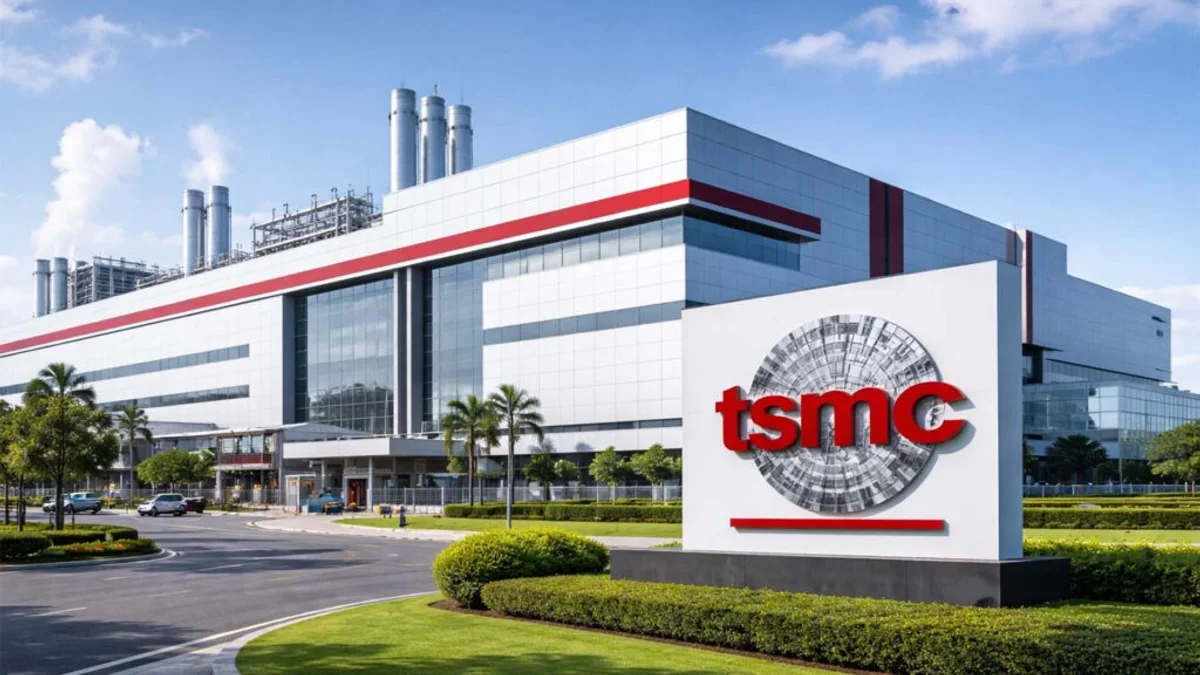
TSMC's decision to increase its investment in Arizona to $265 billion is a strategic move to meet high demand from key US customers while countering increasingly aggressive rivals, Chief Financial Officer Huang Ren tsung said in an interview with Bloomberg Technology on July 19, 2026. The additional style="background-color: #ffffff;"00 billion brings TSMC's total US outlay to one of the largest foreign investments in semiconductor manufacturing history. Huang emphasized that the decision is based on the need to strengthen production capacity close to major customers, including tech giants Apple, Nvidia, and AMD, which rely heavily on TSMC's advanced chips. Demand from US customers is the primary driver behind the expansion.
TSMC is seeing a surge in demand for high performance chips used in artificial intelligence (AI), cloud computing, and consumer devices. By adding capacity in Arizona, TSMC can reduce dependence on supply chains concentrated in Taiwan and shorten delivery times to American clients. Beyond demand, competition from ambitious rivals is also pushing TSMC to accelerate its US investment. Huang noted that companies such as Intel and Samsung Electronics are ramping up production capacity in the United States. Intel has announced massive investment plans for chip plants in Ohio and Arizona, while Samsung is expanding its facility in Texas. TSMC is currently building three fabs in Arizona. The first fab is scheduled to begin production in 2025, with the second and third following in subsequent years.
The additional investment allows TSMC to accelerate construction of a fourth fab and increase production capacity for advanced 3 nanometer and 2 nanometer chips in the US. TSMC's decision to invest heavily in the US is also influenced by US government policies promoting domestic chip production through the CHIPS Act. The law provides billions of dollars in subsidies for semiconductor companies building plants in the US. Although TSMC has received some incentives, Huang did not disclose the exact amount of subsidies the company has received. Industry analysts see TSMC's move as a response to rising geopolitical tensions between the US and China. Instability in the Taiwan Strait has prompted the US government to reduce reliance on chips made in Taiwan.
By building production capacity in the US, TSMC can maintain access to the American market, its largest. Huang also stressed that the investment benefits not only TSMC but also the US semiconductor ecosystem. Construction of the fabs is expected to create thousands of direct and indirect jobs and boost local equipment and materials suppliers. However, challenges remain. Construction and operational costs in the US are higher than in Taiwan. TSMC must recruit and train a skilled local workforce, which requires time and additional investment. Huang acknowledged that profit margins for US production may be lower in the short term, but long term strategic benefits are deemed more important. TSMC's decision to increase US investment also reflects a shift in the global semiconductor landscape.
With rising demand for AI and high performance computing chips, semiconductor companies are racing to build production capacity across regions to mitigate supply chain risks. Competition with Intel and Samsung is intensifying. Intel has announced plans to become a major chip foundry player by building new plants in the US and Europe. Samsung continues to invest in its Texas chip plant and plans to expand to other states. TSMC, as the global foundry market leader with over 50% market share, does not want to lose its position. Investment in the US allows TSMC to stay close to key customers and respond to demand more quickly. This decision also impacts the global supply chain.
With greater production capacity in the US, TSMC can reduce the risk of supply disruptions due to geopolitical tensions or natural disasters in Taiwan. This provides greater assurance for customers concerned about over reliance on a single region. Huang concluded with optimism that the investment will strengthen TSMC's position in the global market and enable the company to continue leading in advanced chip technology. The move is also expected to strengthen ties between TSMC and the US government, a key partner in the semiconductor industry. With a total investment of $265 billion, TSMC demonstrates its long term commitment to the US market. This decision is driven not only by demand and competition but also by a vision to build a more resilient and diversified semiconductor supply chain.