Insight
SpaceX in Talks to Sell Computing Power to Pentagon, WSJ Reports
SpaceX is negotiating with the Pentagon to provide computing capacity, expanding beyond rockets and Starlink into defense infrastructure.
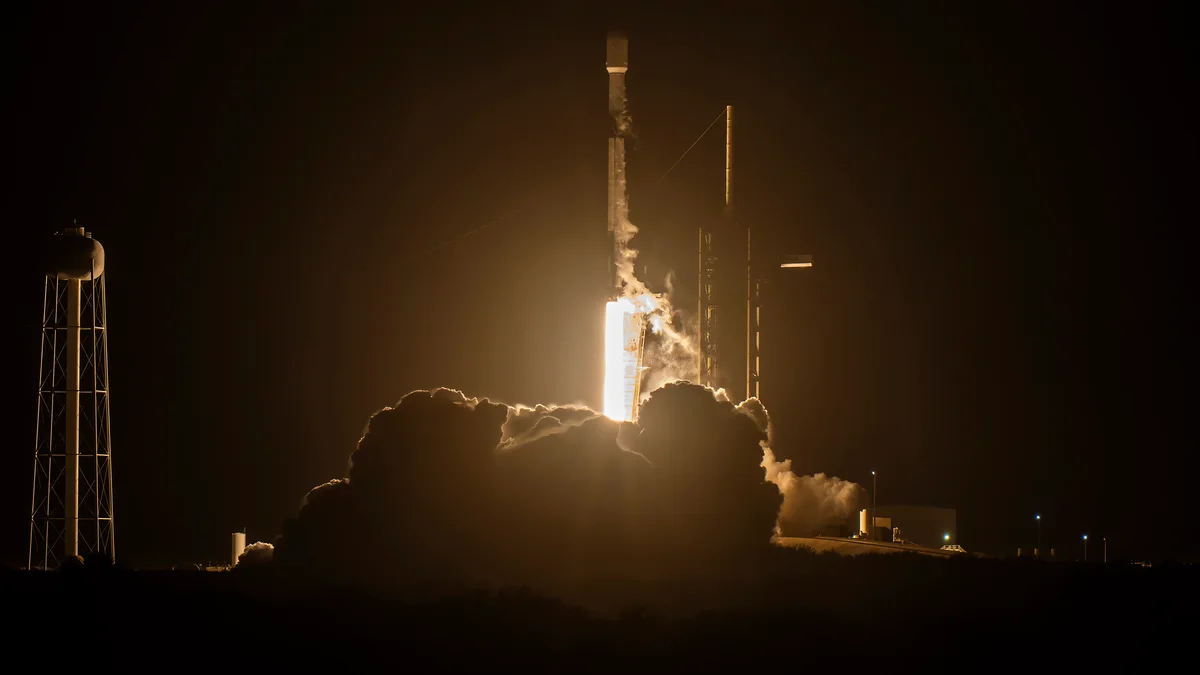
SpaceX, the rocket, satellite, and artificial intelligence company led by Elon Musk, is in discussions with the U.S. Department of Defense to sell computing power, according to a Wall Street Journal report published Friday. The report, which did not specify the value or structure of the potential deal, marks a further expansion of SpaceX's business beyond launch services and Starlink satellite internet into government computing infrastructure. The negotiations come amid rising demand from the U.S. military for computing capacity, particularly for artificial intelligence applications and big data analytics. SpaceX, with its Starlink satellite constellation and potential orbital data centers, is uniquely positioned to offer distributed computing capabilities.
The company has already secured military launch contracts and provides Starlink connectivity to combat units, solidifying its role as a multidimensional defense contractor. The Wall Street Journal report, citing people familiar with the matter, said the talks are ongoing and no agreement has been reached. Neither SpaceX nor the Pentagon has confirmed the negotiations. The report is the only source of information available as of publication. If finalized, the deal would intensify competition with commercial cloud providers such as Amazon Web Services and Microsoft Azure, which have been primary suppliers of computing power to the Pentagon. SpaceX's space based infrastructure offers a different approach, potentially providing lower latency and greater resilience for certain military applications.
The development also underscores the growing convergence of space technology and defense computing needs. The U.S. Department of Defense has been investing heavily in AI and data processing capabilities, with initiatives such as the Joint All Domain Command and Control (JADC2) concept requiring vast computational resources. SpaceX's orbital assets could complement terrestrial cloud services, offering redundancy and unique capabilities for remote or contested environments. SpaceX's Starlink network, which already provides internet access to over 1 million subscribers globally, has been used by the U.S. military in Ukraine and other theaters. The company has also won contracts from the U.S. Space Force for launch services and is developing a satellite based missile tracking system. Adding computing services would further integrate SpaceX into the defense industrial base.
Analysts have noted that SpaceX's move into computing could disrupt the traditional cloud market. "SpaceX has the potential to offer edge computing in orbit, which could be a game changer for military operations that require real time data processing without relying on ground based infrastructure," said a defense technology analyst who spoke on condition of anonymity. However, the analyst cautioned that technical and regulatory hurdles remain, including the challenge of maintaining secure data links and ensuring reliability in space. The negotiations also highlight the expanding influence of Elon Musk's companies in the defense sector. Tesla, another Musk led company, has explored military applications for its electric vehicles and battery technology.
Musk himself has been a controversial figure in defense circles, with some officials expressing concerns about his public statements and business ties. On the stock market, shares of Tesla (TSLA) closed at $380.84 on Friday, down 2.61%. While not directly related, the movement reflects market sensitivity to developments involving Musk affiliated companies. The potential computing deal is part of a broader trend of defense contractors diversifying into digital services. Lockheed Martin, Northrop Grumman, and Raytheon have all expanded their cybersecurity and data analytics offerings. SpaceX's entry into this space could accelerate competition and innovation. For the Pentagon, the deal would provide an additional source of computing power at a time when demand is outstripping supply.
The military's reliance on cloud services has grown exponentially, with contracts worth billions of dollars awarded to AWS, Microsoft, and Google. A space based alternative could reduce dependence on a few large providers and enhance operational flexibility. However, questions remain about the security and cost effectiveness of orbital computing. SpaceX would need to demonstrate that its infrastructure can meet the Pentagon's stringent cybersecurity requirements and that the pricing is competitive with terrestrial alternatives. The company has not disclosed its computing capabilities or pricing models. The Wall Street Journal report did not provide a timeline for the negotiations or indicate when a deal might be announced. Both SpaceX and the Pentagon declined to comment on the report.
In summary, the reported talks represent a significant step in SpaceX's evolution from a launch provider to a comprehensive defense contractor. If successful, the deal could reshape the market for military computing and further blur the lines between commercial space companies and traditional defense contractors. The outcome will be closely watched by investors, competitors, and policymakers alike.