AI
Pony AI and Uber Plan 2,000 Robotaxis in Europe, Middle East Expansion to Follow
Pony AI and Uber expand their robotaxi partnership to Europe with a target of over 2,000 units, starting in Zagreb and then four other cities, with the Middle East next.
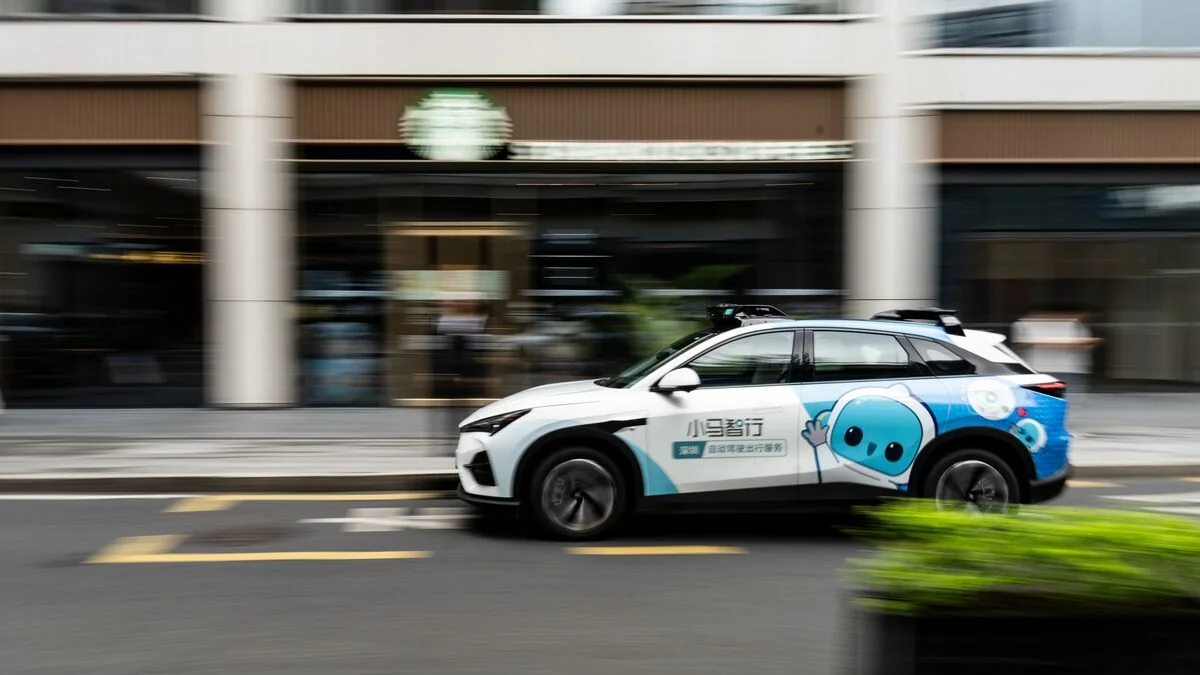
Pony AI Inc. has announced plans to deploy more than 2,000 robotaxis across Europe in partnership with Uber Technologies Inc., marking a significant step in their efforts to commercialize autonomous vehicle services internationally. The announcement follows the launch of operations in Zagreb, Croatia, and includes the addition of four unnamed European cities after Zagreb, according to a Bloomberg report cited by Techmeme. TechCrunch confirmed that the Uber Pony AI partnership is expanding beyond its initial market in Zagreb, with the goal of bringing 2,000 robotaxis to Europe. The companies also stated that they will expand to the Middle East in a subsequent phase. The Uber Pony AI partnership is not new.
The two companies have collaborated in the United States, particularly in cities such as San Francisco and Dallas, where Pony AI's robotaxi service is available through the Uber app. The expansion into Europe is significant because the European market has strict regulations regarding autonomous vehicles, contrasting with the more permissive approach in some U.S. states. Zagreb was chosen as the first European city for the launch of Pony AI robotaxis via the Uber platform. Croatia, as a European Union member state, serves as a strategic entry point for the companies to navigate the EU's regulatory framework. Success in Zagreb will be an important benchmark before expanding to the four other European cities, which have not yet been named.
This move comes amid intensifying global competition in the autonomous vehicle industry. Major players such as Waymo, a subsidiary of Alphabet Inc., have already been operating commercial robotaxi services in the U.S., while Chinese companies like Baidu are also actively developing similar technology. Pony AI, which is based in Guangzhou and Silicon Valley, is attempting to differentiate itself with an aggressive international expansion strategy. The European market offers significant opportunities but also unique challenges. Different European countries have varying rules regarding the testing and operation of autonomous vehicles. The European Union itself is in the process of drafting comprehensive regulations for autonomous vehicles, which are expected to be finalized within the next few years.
In the meantime, companies like Pony AI must work with regulators in each country to obtain operating permits. The partnership model with Uber provides Pony AI with advantages in terms of access to an established user base. Uber has millions of active users in Europe, who could serve as an initial market for robotaxi services. Conversely, Uber gains access to autonomous vehicle technology without having to develop it from scratch, a strategy Uber has pursued through various partnerships with companies such as Waymo, Motional, and now Pony AI. From an industry perspective, this expansion signals that the era of robotaxi commercialization is drawing closer in Europe. Previously, commercial robotaxi services in Europe were very limited.
Some cities, such as Paris and Munich, have conducted trials, but no large scale commercial service has been launched. If Pony AI and Uber successfully execute this plan, they could become pioneers of cross border commercial robotaxi services in Europe. The expansion into the Middle East is also noteworthy. The region, particularly cities like Dubai and Abu Dhabi, has shown strong interest in autonomous vehicle technology. Dubai, for instance, has an ambitious target to make 25 percent of all trips autonomous by 2030. Pony AI and Uber appear to see this as the next growth market after Europe. However, regulatory and infrastructure challenges remain major hurdles. In Europe, each country has its own regulatory body, and approval processes can take months or even years.
Additionally, the narrow, historic street layouts of many European cities pose technical challenges for autonomous vehicles that rely on sensors and high definition mapping. Pony AI has developed technology that it claims can operate in various road and weather conditions. The company uses a combination of LiDAR, radar, and cameras to detect the surrounding environment. This system has been tested in various cities in China and the U.S., including in complex traffic conditions. However, adapting to the diverse road conditions in Europe will require extensive testing. From a business perspective, this plan also reflects Pony AI's strategy to diversify its revenue streams. The company has developed multiple business lines, including autonomous trucks and robotaxi services.
Through international expansion, Pony AI hopes to reduce its reliance on the competitive domestic Chinese market and the increasingly crowded U.S. market. Uber, on the other hand, continues to strengthen its position as an aggregator platform for various mobility services. By partnering with multiple autonomous vehicle developers, Uber can offer robotaxi options in various cities without bearing the direct burden of technology development. This strategy allows Uber to focus on platform operations and user experience. No specific timeline has been announced for when services in the four additional European cities will begin, and the names of those cities have not been officially disclosed. Pony AI and Uber have also not provided details on the investment required for this expansion.
What is clear is that both companies are demonstrating a long term commitment to building robotaxi services in international markets. This development will be closely monitored by the automotive and technology industries, given its implications for global competition in autonomous vehicles. The success or failure of this expansion will serve as an important signal for other players seeking to enter the European market with similar services.