AI
Perplexity AI Cuts Sandbox Latency by 67 Percent With New SPACE System
Perplexity AI says its new SPACE security system reduced median sandbox creation latency from 185 ms to 60 ms on identical production traffic.
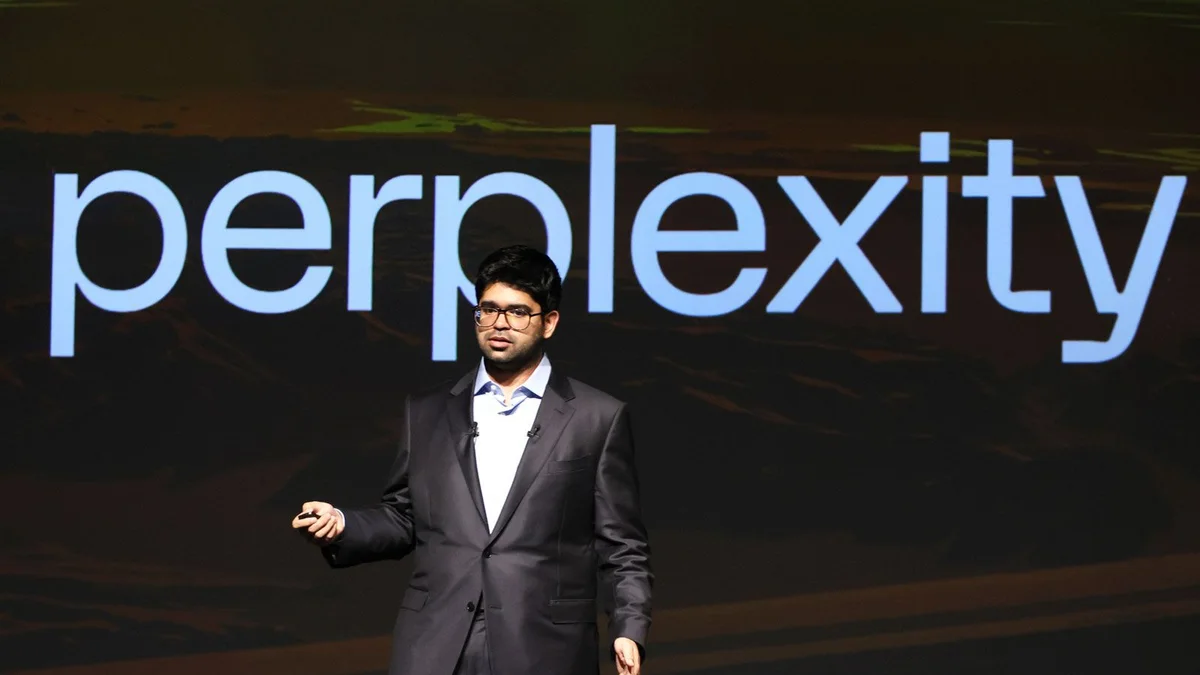
Perplexity AI, the artificial intelligence powered search engine company, announced that its new sandbox security system, named SPACE, has significantly reduced sandbox creation latency. In a post on its official X account @perplexity ai on Friday, July 24, 2026, the company stated that on identical production traffic, SPACE reduced the median sandbox creation latency from 185 milliseconds (ms) to 60 ms. This represents a 67.6 percent decrease from previous performance. In addition to the median, Perplexity also reported improvements at the 90th percentile (P90) latency. P90 dropped from 447 ms to 89 ms, a reduction of approximately 80.1 percent. This improvement indicates that not only the average user experience improved, but also latency spikes in worst case conditions were drastically reduced.
The company noted that last week the system handled millions of sandbox creations and tens of millions of reconnections for its Computer feature. A sandbox is an isolated environment used to run code or applications safely without affecting the main system. In the context of AI agents, sandboxes allow the agent to execute commands, access data, or interact with other applications within strict boundaries. Low sandbox creation latency is critical because it determines how quickly an AI agent can respond to user commands, especially in real time scenarios such as desktop automation or web navigation. Perplexity introduced the Computer feature in early 2026 as part of its effort to expand AI agent capabilities.
This feature allows users to give natural language instructions that are then translated into direct actions within the operating system, such as opening applications, filling out forms, or extracting data from web pages. Each such action requires creating a new sandbox or reconnecting to an existing one, making sandbox creation latency a critical factor in user experience. Before implementing SPACE, Perplexity used a conventional sandbox system that took an average of 185 ms to create a new environment. With millions of sandbox creations per week, this accumulated latency could cause noticeable delays for users, especially on tasks requiring many sequential steps. SPACE was designed to optimize resource allocation and environment initialization processes, so sandboxes can be ready for use in a much shorter time.
The performance improvement also impacts infrastructure efficiency. With lower latency, servers can handle more requests in the same amount of time, potentially lowering operational costs per transaction. Although Perplexity did not detail the technical architecture of SPACE in the announcement, the consistent latency reduction across various metrics suggests that optimizations were made at a fundamental system layer. This announcement comes amid intense competition in the AI agent market. Several major technology companies, including OpenAI, Google, and Microsoft, are also developing AI agents with similar capabilities, including desktop and browser automation. The ability to provide fast and secure sandboxes is becoming a competitive differentiator, as users increasingly demand instant responses from AI agents.
Perplexity, long known as an AI search engine, is now more seriously building an agent ecosystem that can act directly on behalf of users. From a security perspective, fast sandboxes must not compromise isolation. SPACE must still ensure that code running inside the sandbox cannot access sensitive data outside its environment. Perplexity has not detailed the security mechanisms used, but the company stated that the system has been tested on real production traffic, not just in simulation environments. This indicates that SPACE has passed internal validation and is ready for widespread use. Perplexity also provided a link to its official blog page at perplexity.ai/hub/blog/secure sandboxes for agents for further information.
That page likely contains additional technical details, system architecture, and implementation guides for developers who want to integrate SPACE into their applications. However, as of this writing, the full content of that blog page was not accessible for independent verification. Looking ahead, Perplexity is expected to continue developing SPACE to support heavier workloads and more complex use cases. With a foundation of much lower latency, the company can focus on improving AI agent functionality without worrying about infrastructure bottlenecks. For users, this means Perplexity's AI agent can respond to commands faster and execute multi step tasks more smoothly. This announcement also signals to the industry that low level infrastructure optimization still has significant room for improvement, even for established companies.
SPACE's approach, which successfully cut latency by two thirds, demonstrates that innovation at the operating system and virtualization layers can still provide substantial competitive advantages. Perplexity, with more limited resources compared to tech giants, proves that a focus on technical efficiency can yield meaningful breakthroughs.