AI
OpenAI Appoints Two Bank CEOs to Board Ahead of IPO
OpenAI has added Nubank CEO David Vélez and BNY CEO Robin Vince to its board, signaling progress toward a public listing.
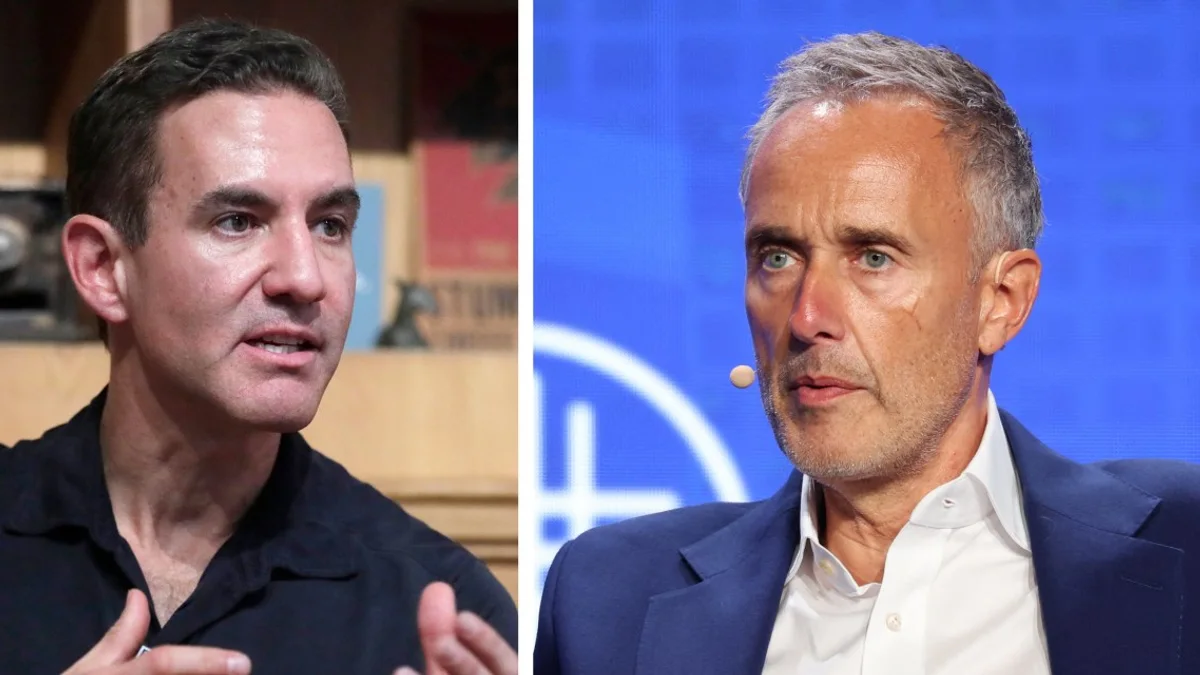
OpenAI has appointed two financial services executives to its board of directors, drawing on their experience as the company moves toward an initial public offering. David Vélez, founder and CEO of Nubank, and Robin Vince, CEO of BNY, officially joined as board members, according to reports from the Wall Street Journal and Bloomberg Technology confirmed on Tuesday, July 21, 2026. The decision marks a strategic step by OpenAI to strengthen corporate governance with figures who have deep backgrounds in global finance. Nubank, the Brazilian digital bank founded by Vélez, has become one of Latin America's largest fintech companies with a significant market valuation.
BNY, the oldest custodian bank in the United States led by Vince, manages trillions of dollars in assets and has extensive experience in capital markets. The appointments come amid OpenAI's preparations to go public. The San Francisco based artificial intelligence company has not announced a specific IPO timeline, but recruiting directors with expertise in finance and public market regulation signals the seriousness of the process. Bloomberg Technology reported that OpenAI is drawing on the experience of both executives to prepare for regulatory scrutiny and institutional investor expectations. David Vélez brings a unique perspective as the founder of a technology company that has successfully listed on a stock exchange.
Nubank held its IPO on the New York Stock Exchange in December 2021 under the ticker NU, and its shares have since shown the volatility typical of a growing technology company. Vélez's experience in building a company from startup to public entity is considered relevant for OpenAI as it undergoes a similar transition. Robin Vince, on the other hand, represents experience at a traditional financial institution that is more than two centuries old. BNY, formerly known as Bank of New York Mellon, is the world's largest custodian bank with over $40 trillion in assets under custody. Vince has led BNY since 2022 and brings deep understanding of financial market infrastructure, regulatory compliance, and relationships with institutional investors.
The combination of these two backgrounds gives OpenAI a dual perspective: the disruptive fintech innovation side from Vélez, and the stability and compliance side of an established financial institution from Vince. This is important given that OpenAI operates in a highly regulated industry, particularly regarding data security, intellectual property, and the potential social impact of artificial intelligence technology. OpenAI has not disclosed any other changes to its board structure or whether these appointments will be followed by further reshuffling. The company has also not issued an official statement regarding the IPO timeline or valuation targets. However, the move is seen as a signal that OpenAI is serious about maturing into a public company, after previously focusing more on research and technology development.
The company, founded in 2015 as a nonprofit and later transformed into a capped profit entity in 2019, has experienced several leadership and governance changes. In November 2023, OpenAI's board briefly fired CEO Sam Altman, who returned after pressure from investors and employees. That incident highlighted the importance of solid governance structures, especially as the company prepares to serve public shareholders. The appointments of Vélez and Vince can also be seen as an effort by OpenAI to build credibility with U.S. capital market regulators, such as the Securities and Exchange Commission. Technology companies planning to list typically need to demonstrate that they have an independent board with experience in public company governance.
Both executives, although still serving as CEOs at their respective companies, bring strong track records in managing large organizations under public scrutiny. Nubank itself has become one of the global fintech success stories. Founded in 2013, the digital bank now has tens of millions of customers in Brazil, Mexico, and Colombia. Vélez, who previously worked at Sequoia Capital and Morgan Stanley, understands how technology companies can grow quickly while still complying with strict banking regulations. This experience is directly relevant to the challenges OpenAI faces in balancing rapid innovation with compliance. BNY, under Vince's leadership, has strengthened its position as a financial services provider for digital assets and blockchain technology.
Vince is known as an advocate for technology adoption in traditional financial services, which could be an added value for OpenAI if the company wants to explore integrating artificial intelligence with financial market infrastructure. There is no information yet on which board committees Vélez and Vince will join, or whether they will receive compensation in the form of stock or stock options, as is common for directors of technology companies preparing for an IPO. Such details are typically disclosed in IPO registration documents filed with the SEC. OpenAI's move comes amid increasing investor interest in artificial intelligence companies. Several other AI companies are also reportedly considering IPOs, creating a potential wave of listings in the sector.
However, OpenAI remains one of the most dominant players thanks to the popularity of products like ChatGPT and the GPT series of large language models. With the addition of two new board members, OpenAI now has a more professionally diverse board, combining backgrounds in technology, finance, and regulation. This is expected to help the company navigate the complexities of becoming a public entity while continuing to push the boundaries of AI innovation.