Technology
Nvidia Signs style="background-color: #ffffff;".5 Billion Deal with Amkor for Chip Packaging
Nvidia has signed a style="background-color: #ffffff;".5 billion agreement with Amkor Technology to expand chip packaging capacity, supporting its AI chip supply chain.
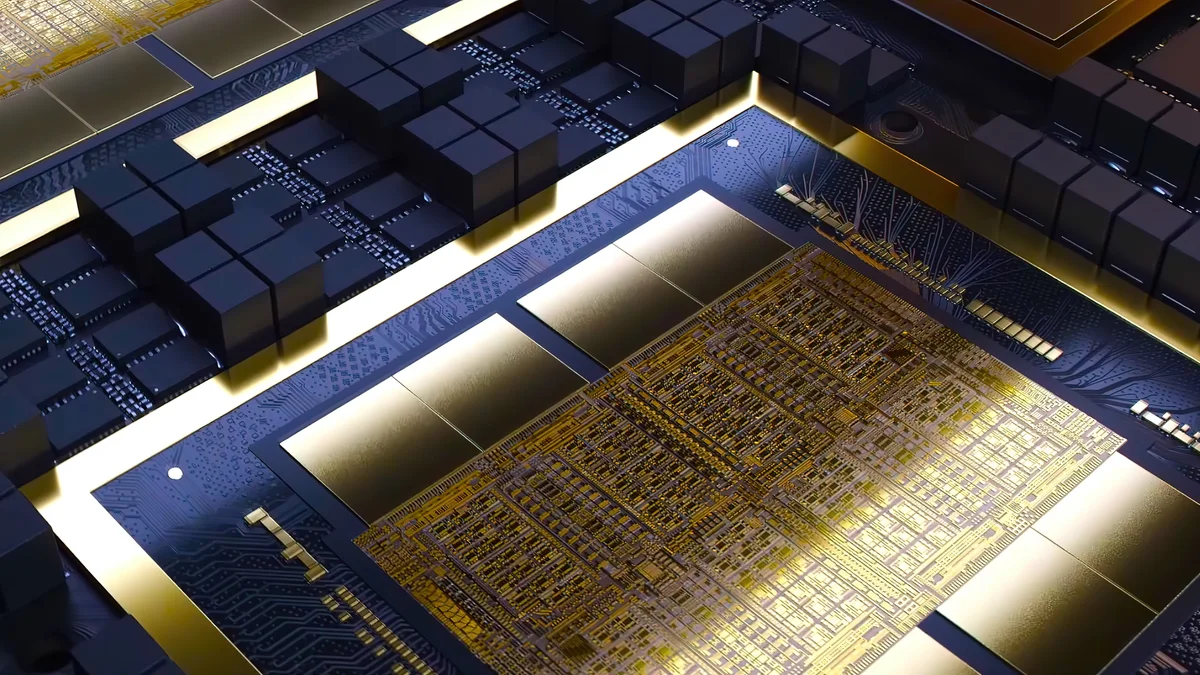
Nvidia Corp. has signed a style="background-color: #ffffff;".5 billion agreement with Amkor Technology Inc. to support the development of chip packaging facilities, as part of a broader push to expand semiconductor operations in the United States and Asia. The deal was announced on July 23, 2026, according to a Bloomberg Technology report citing official statements from both companies. The agreement aims to increase Amkor's chip packaging capacity, a critical step in the semiconductor supply chain. Chip packaging is the final manufacturing stage where silicon wafers are cut, placed into packages, and connected to pins or connectors for use in electronic devices. This process is essential for ensuring chips function properly and can be integrated into larger systems.
Nvidia, a leader in designing graphics processing units (GPUs) for artificial intelligence (AI) and high performance computing, requires reliable chip packaging capacity to meet surging demand. Amkor, one of the world's largest outsourced semiconductor assembly and test (OSAT) companies, will use the funds to expand its facilities, primarily in Asia, according to a Business Times report citing company statements. This move is part of a broader trend where U.S. semiconductor companies invest in domestic supply chains to reduce reliance on Asia, particularly Taiwan and China. The U.S. government has promoted domestic chip production through legislation such as the CHIPS and Science Act, which provides subsidies for semiconductor plant construction.
Although Nvidia does not directly receive funds from that act, this investment aligns with strategic goals to strengthen U.S. semiconductor infrastructure. The deal also reflects rising demand for AI chips, which require advanced packaging technologies such as 2.5D and 3D to combine multiple chips in one package. These technologies enable faster, more efficient data transfer, crucial for AI applications like training large language models and real time inference. Nvidia has been a major GPU supplier for AI data centers, with products like the H100 and B100 series using advanced packaging. Amkor, based in Tempe, Arizona, operates facilities in several countries including Taiwan, South Korea, and Japan. With this investment, the company plans to boost production capacity in Asia, the global hub for semiconductor manufacturing.
The Business Times reported that this step will create a geographically diverse and resilient supply chain, reducing the risk of disruptions from any single region. The impact of this deal on the semiconductor market is expected to be significant. With increased packaging capacity, Nvidia can accelerate shipments of AI chips to customers such as cloud computing companies and AI developers. This could also help reduce backlogs that have plagued the semiconductor industry since the COVID 19 pandemic, when demand surged while supply was constrained. However, challenges remain. The chip packaging industry faces shortages of skilled labor and specialized equipment, which could slow expansion. Additionally, building new facilities in the U.S. costs more than in Asia, potentially affecting profitability.
Nevertheless, Nvidia and Amkor appear committed to this long term investment, as indicated by the deal's size. The agreement also highlights the importance of collaboration between chip design companies and OSAT firms. Nvidia, which is fabless, relies on partners like Amkor to manufacture and package its chips. By securing packaging capacity, Nvidia can ensure stable supply for its products, crucial for maintaining its competitive position in the AI market. Looking ahead, this investment could encourage other semiconductor companies to follow Nvidia's lead in strengthening domestic supply chains. The U.S. government may continue to promote similar investments through fiscal incentives. However, the success of this step will depend on Amkor's ability to complete expansion on time and meet the quality standards demanded by Nvidia.
Overall, the style="background-color: #ffffff;".5 billion agreement between Nvidia and Amkor marks a strategic move to strengthen chip packaging infrastructure in the U.S. and Asia. It benefits both companies and contributes to the resilience of the global semiconductor supply chain, a key concern for the technology industry and governments worldwide. This deal underscores the growing importance of advanced packaging in the AI era. As AI models become more complex, the need for efficient chip interconnects and thermal management increases. Amkor's expansion plans include investments in cutting edge packaging technologies, such as fan out wafer level packaging and system in package solutions, which are vital for next generation AI accelerators.
Nvidia's commitment to this partnership signals its long term strategy to secure critical supply chain nodes, reducing vulnerability to geopolitical tensions and natural disasters that could disrupt production in Taiwan, where a significant portion of advanced packaging capacity is concentrated. The financial terms of the agreement include upfront payments and milestone based disbursements over several years, according to sources familiar with the matter. Both companies have declined to comment on specific financial details beyond the total value. The deal is subject to regulatory approvals, which are expected to be routine given its alignment with U.S. semiconductor policy. Industry analysts view this as a positive development for the semiconductor ecosystem.
"This investment addresses a critical bottleneck in the AI supply chain," said a senior analyst at a leading market research firm, who spoke on condition of anonymity. "Advanced packaging is becoming as important as chip design itself, and this deal ensures Nvidia has dedicated capacity for its most demanding products." In response to the announcement, shares of both companies saw modest gains in after hours trading. Nvidia's stock rose 1.2%, while Amkor's shares climbed 2.5%, reflecting investor optimism about the partnership's potential to drive revenue growth and operational efficiency. As the semiconductor industry continues to evolve, the Nvidia Amkor deal serves as a template for how fabless companies and OSAT providers can collaborate to build resilient, high performance supply chains.
The success of this venture could influence future investments and shape the competitive landscape for AI chip manufacturing.