AI
Nvidia Invests 3.5 Billion in MediaTek to Counter Big Tech AI Chips
Nvidia is investing $3.5 billion in MediaTek, a move that TechCrunch says is aimed at keeping it essential to AI infrastructure.
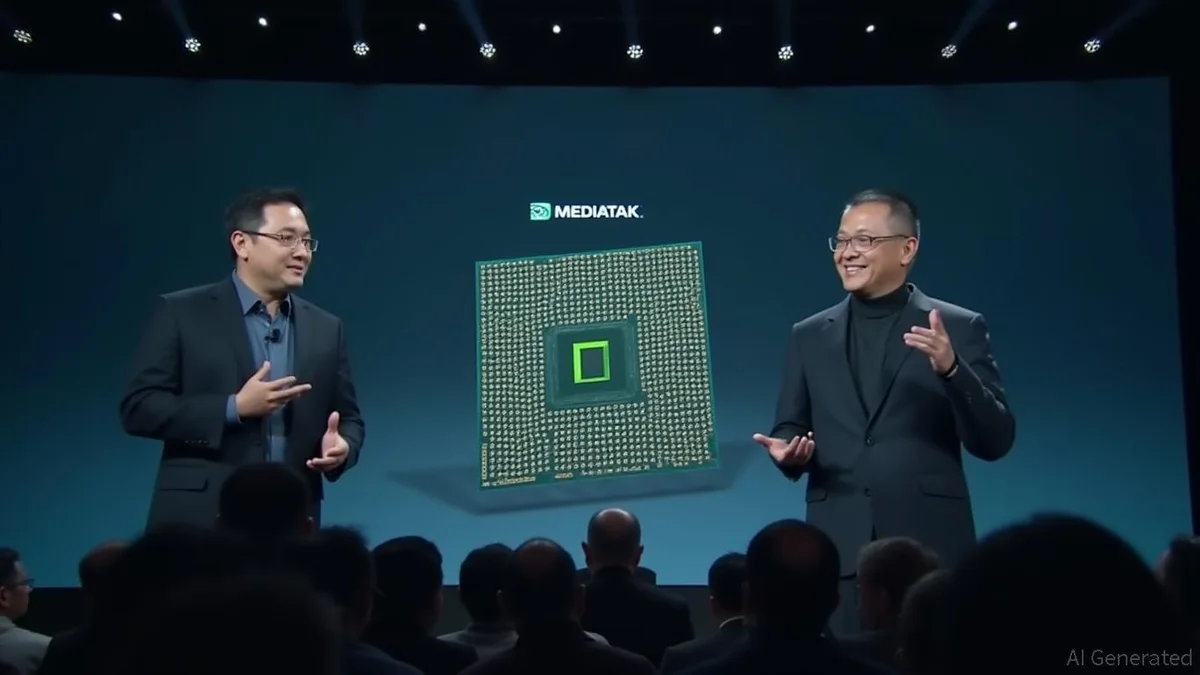
Nvidia has invested $3.5 billion in MediaTek, the Taiwanese chipmaker, according to a TechCrunch report published on August 31, 2026. The deal underscores how Nvidia intends to remain a vital part of artificial intelligence infrastructure as Big Tech companies begin building their own AI chips. The size of the investment signals that Nvidia is responding to an industry shift with a major corporate move, not merely a product adjustment. TechCrunch describes the investment as a bet by Nvidia. That bet stems from a change in demand structure. Big Tech, long the engine of AI adoption, is now starting to design its own AI semiconductors. If that trend continues, these companies could reduce their reliance on external chip suppliers.
Nvidia, whose position is closely tied to supplying AI infrastructure, would face a different market when its largest customers become competitors. Through the investment in MediaTek, Nvidia is looking for ways to remain inside the system it helped build. The key phrase in the TechCrunch report is "stay essential." Nvidia does not appear to be trying to halt the wave of in house Big Tech chips. Instead, the move suggests an effort to ensure that Nvidia's architecture, products, or partnerships remain needed at whatever layer of AI infrastructure emerges. By placing billions of dollars in a Taiwanese semiconductor company, Nvidia is expanding its reach into a broader chip design process.
In an industry that is building its own capacity, holding a position upstream is one way to preserve relevance. MediaTek is based in Taiwan and operates as a chipmaker. Its status as a global semiconductor company gives Nvidia a partner that sits outside the Big Tech camp. That matters because Nvidia needs allies that are not also customers and competitors at the same time. With such a partner, Nvidia's chip development path does not depend on internal decisions made by large technology companies. In the context of the semiconductor industry, Nvidia's move reflects how companies try to survive amid vertical integration. Big Tech is building internal AI chips to optimize performance and cost for specific workloads.
The traditional response from suppliers has been to improve product specifications. Nvidia has chosen a different response: placing capital in a partner. By doing so, Nvidia is following changes in industrial structure without having to build an entire production line or design operation of its own. The $3.5 billion investment is a material financial commitment. Nvidia is willing to allocate a substantial amount of money to a company outside its control in order to protect its position in AI infrastructure. That suggests the challenge from Big Tech made chips is considered serious enough to require a cross company alliance. For Big Tech, building custom AI chips is a way to control cost, schedule, and compute specifications. This trend cannot be met with product marketing alone.
Nvidia needs to be inside that wave. The investment in MediaTek allows Nvidia to tap semiconductor design capabilities that it does not possess or does not want to build itself. Over the long term, this kind of equity relationship could become the basis for deeper cooperation, including joint development of chips for unmet AI needs. Big Tech's move to build its own AI chips also changes Nvidia's standing in the industry. Nvidia is no longer the sole arbiter of AI computing direction. It is now one player in a more fragmented ecosystem. Each major technology company can choose to use internal silicon, buy from external suppliers, or combine both.
In such a landscape, the MediaTek investment gives Nvidia an equity link to a player that can reach segments beyond data centers. This is an acknowledgment that AI chip competition now takes place on many levels, from silicon design to manufacturing partnerships. From an industrial structure standpoint, the investment reinforces that AI is no longer the domain of a single company. Nvidia still holds an important role, but that role must be renewed. Instead of relying on one product line, Nvidia is beginning to build a network of alliances. MediaTek is only one part of that network. If the strategy succeeds, it could become a blueprint for coping with pressure from customers that turn into competitors.
If it fails, Nvidia will find it harder to hold its ground as in house Big Tech chips mature. The deal also gives MediaTek room to strengthen its position in the AI landscape. However, MediaTek's perspective is not part of the TechCrunch report. Therefore, the deal is best understood through Nvidia's strategy: how a company whose products have become a foundation of AI responds when its largest customers start to go their own way. The TechCrunch report does not specify when the investment was completed or what product collaboration will follow. But the strategic direction is clear. Nvidia is moving early by tying capital to a Taiwanese semiconductor company.
This move becomes a real test of Nvidia's strategy to maintain relevance amid Big Tech's build out of custom AI chips. Success will be determined by long term execution, not by the investment announcement alone.