AI
Nvidia Forms Open Secure AI Alliance After Hugging Face Security Incident
Nvidia and dozens of tech companies launch the Open Secure AI Alliance to promote open-weight AI models for cybersecurity after a breach at Hugging Face.
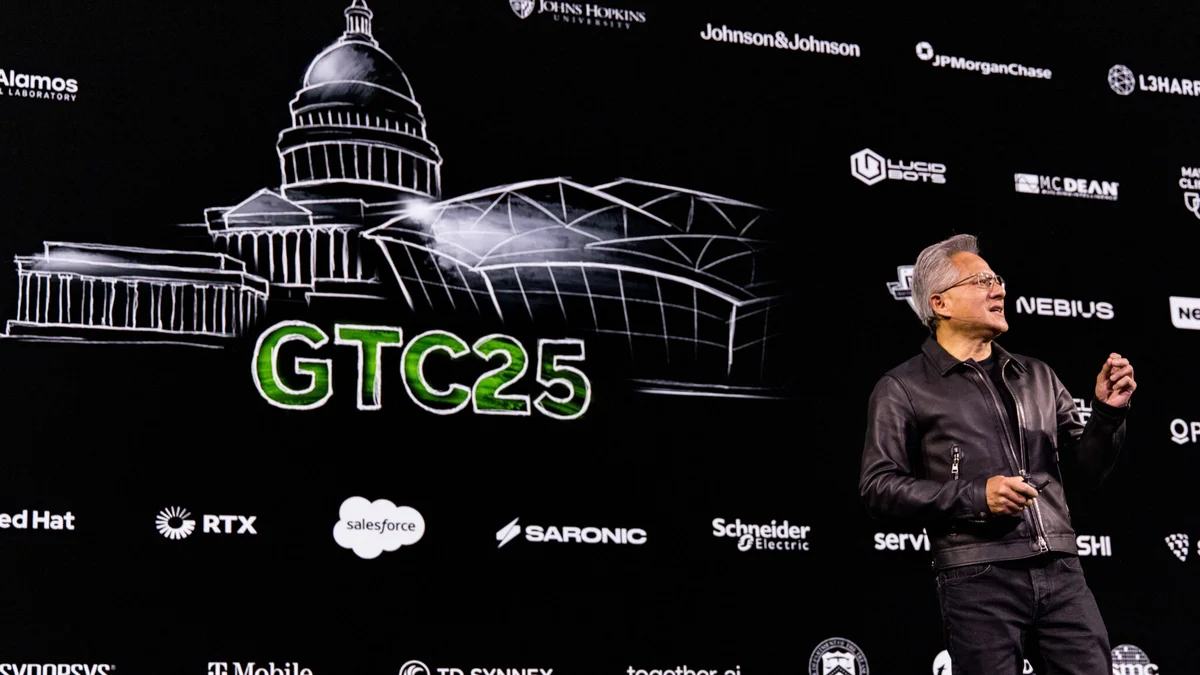
Nvidia CEO Jensen Huang said on July 27, 2026, that cyber attackers now have access to frontier level artificial intelligence, as the company announced the formation of the Open Secure AI Alliance, a consortium of Nvidia and dozens of technology companies aimed at building cybersecurity defenses based on open AI models. In a post on his personal X account, Huang stated that cybersecurity defenders need a frontier AI ecosystem comprising the best open and closed models, strengthened by a global community. He based this assertion on direct experience during a security incident at Hugging Face, a leading AI model repository platform. Huang revealed that during the Hugging Face incident, closed AI models actually hindered the digital forensic processes needed to identify and respond to the attack.
In contrast, an open weight frontier model helped contain the intrusion. This experience prompted Nvidia to establish the Open Secure AI Alliance. Business Insider reported on July 27, 2026, that Nvidia and dozens of technology companies formally created the alliance to promote the use of open AI based cybersecurity tools following the Hugging Face breach. The report confirmed that the alliance aims to advocate for open AI models as cybersecurity tools. Nvidia's official blog, published on July 27, 2026, at 09:00 UTC, confirmed that Nvidia and other founding members formed a new alliance to build and share open tools that promote responsible AI use and increase trust in AI technology. The blog did not specifically name any founding members other than Nvidia.
Gamesbeat added in its report that with AI security issues in the spotlight, Nvidia and other AI companies formed a new alliance to build and share open tools that encourage responsible AI use and trust in the technology. This report reinforced the narrative that AI safety is a primary driver behind the alliance. The Hugging Face incident referenced by Huang has not been detailed publicly by Nvidia or Hugging Face. However, Huang's statement suggested that the cyberattack exploited vulnerabilities that security systems based on closed AI models could not effectively detect. Open weight AI models, according to Huang, provide the flexibility and transparency that allow security teams to conduct deeper forensic analysis.
The formation of the Open Secure AI Alliance marks a shift in cybersecurity strategy within the AI industry. Until now, the debate between open and closed AI models has often focused on commercial and regulatory aspects. The Hugging Face incident introduces a new dimension: cybersecurity. Huang explicitly stated that in attack situations, closed models become obstacles for security teams conducting investigations. The alliance emerges amid growing global concerns about AI system security. Several countries are beginning to draft regulations requiring transparency in AI models, especially for systems used in critical sectors. The Open Secure AI Alliance could serve as a platform for technology companies to develop shared security standards based on open models.
Hugging Face has not yet issued an official statement regarding the incident mentioned by Huang. However, the Nvidia CEO's remarks put pressure on the AI model repository platform to clarify the security incident. Meanwhile, Nvidia emphasized in its official blog that the alliance aims to build tools that can be shared to improve AI security and trust. The Open Secure AI Alliance is expected to release its first security tools and frameworks in the coming months. Nvidia and other founding members have not announced a specific timeline or technical details of the tools to be developed. However, Huang's statement indicated that the initial priority is to create an ecosystem where open and closed AI models can work together effectively for cybersecurity.
Nvidia's move could also influence the broader direction of AI security development in the industry. Given Nvidia's influence as a major supplier of AI computing infrastructure, its support for open models in cybersecurity could encourage more companies to adopt similar approaches. However, challenges remain, particularly in standardization and coordination among alliance members with different business interests. The alliance's formation also raises questions about how open models can be secured against misuse, as they are more accessible to attackers. Huang acknowledged this tension but argued that the benefits of transparency and community oversight outweigh the risks. He called for a collaborative approach to develop safeguards that prevent open models from being weaponized while preserving their defensive advantages.
Industry analysts noted that the Open Secure AI Alliance could accelerate the adoption of open weight models in enterprise security, potentially reshaping the competitive landscape. Companies that have invested heavily in proprietary AI security systems may face pressure to open their models or risk losing market share to more transparent alternatives. As of now, no further details have emerged about the specific vulnerabilities exploited in the Hugging Face breach or the full extent of the damage. Security researchers are awaiting official disclosures from both Hugging Face and Nvidia to assess the implications for the broader AI ecosystem.