AI
NVIDIA Explains Why AI Agents Need More Than One Model
NVIDIA's X post highlights the need for multi-model architectures in AI agents, citing complexity and specialization.
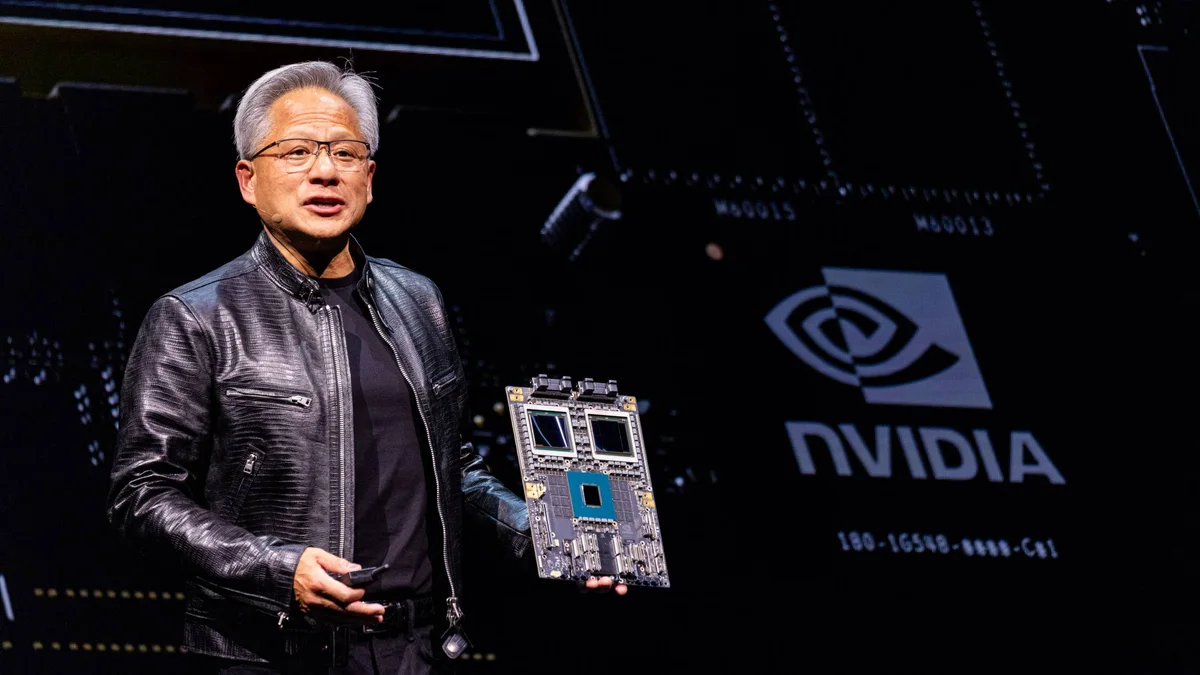
NVIDIA has signaled that AI agents require more than a single model, a stance that underscores a broader industry shift toward modular and collaborative AI systems. In a brief post on its official X account (@nvidia), the company wrote "Read why AI agents need more than one model" and included a link to further resources. While the post did not provide technical specifics, it pointed to the growing importance of multi model architectures for building reliable AI agents. AI agents are autonomous systems that can plan, use tools, and execute tasks independently. In practice, they cannot rely solely on one large language model (LLM).
According to the Microsoft Cloud Adoption Framework, the decision to build a single agent or multi agent system depends on criteria such as task complexity, scalability needs, and fault tolerance. The framework offers guidance for organizations to evaluate whether one agent suffices or whether collaboration among multiple agents is necessary. A report by O'Reilly titled "The AI Agents Stack (2026 Edition)", published on June 8, 2026, details six layers between an LLM and a production ready agent. These layers include orchestration, memory, tools, and evaluation, all essential for making agents function in real world environments. The report emphasizes that building an AI agent is not merely about calling a single model but involves complex infrastructure. Multi model approaches allow for role division.
For instance, one model can act as a planner that breaks down large tasks into smaller steps, while another model serves as an executor that carries out those steps. Additional models can validate results or handle different modalities such as text, image, and audio. This way, agents can leverage the strengths of each model to improve accuracy and efficiency. Aya Data, in its analysis of multi agent systems, explains that coordination among agents can solve complex problems more efficiently than a single agent. However, it also notes that not all cases require multi agent setups. For simple tasks that do not need collaboration, a single agent may be sufficient. The decision to use one or many models should be based on specific needs and problem complexity.
From an industry perspective, the shift toward multi model architectures has significant implications for developers and companies. Developers need to design systems that integrate various models, manage data flow between them, and ensure output consistency. This also drives the growth of tools and platforms that support multi model orchestration, such as agent frameworks and cloud services that provide infrastructure for running multiple models concurrently. NVIDIA holds a strategic position in this ecosystem. As a provider of GPUs and AI software platforms, NVIDIA benefits from the increased computational demands of multi model systems. The more models used in an agent, the greater the need for computing power, which in turn drives demand for NVIDIA products.
Although the X post did not mention specific products, its direction indicates that NVIDIA sees this trend as a market opportunity. It is important to note that NVIDIA's post was merely an invitation to read further explanation, without providing specific data or figures. There are no verifiable claims about performance improvements, cost savings, or market adoption in the post. Therefore, any analysis of industry impact must be cautious and not overstate what NVIDIA actually said. In a broader context, the discussion of multi model AI agents also touches on cost and operational complexity. Running multiple models means higher inference costs and greater infrastructure requirements. Companies must weigh the trade offs between enhanced capabilities and additional expenses.
The Microsoft Cloud Adoption Framework provides a structure for evaluating these factors, helping organizations decide when multi agent systems are worthwhile and when they are not. Looking ahead, the evolution of AI agent architectures is likely to move toward model specialization. Instead of one giant model trying to do everything, the trend is toward smaller, specialized models that work together within a system. This aligns with the O'Reilly report, which describes an AI agent stack composed of various layers, each with a specific function. NVIDIA, with its hardware and software ecosystem, is well positioned to support this transition. NVIDIA's X post, though brief, marks a moment where a major technology company begins educating the market about the importance of multi model architectures.
This could signal to developers and enterprises that they should start considering this approach in their AI strategies. However, without further details from NVIDIA, deeper interpretation still requires additional explicit sources. For readers interested in exploring the topic, the link shared by NVIDIA on X likely leads to an article or technical resource on NVIDIA's website. Unfortunately, the full content of that link was not available in this news report. Therefore, this analysis is based solely on NVIDIA's public statement and verified supporting sources. Overall, NVIDIA's message that AI agents need more than one model reinforces the industry's direction toward more modular and collaborative systems. This is not just a technical trend but also has economic implications for infrastructure providers, developers, and companies using AI.
As tasks assigned to AI become increasingly complex, multi model architectures are becoming more relevant for discussion and adoption.