Technology
New York Becomes First US State to Freeze Large Data Center Construction
New York imposes a one-year moratorium on large data center construction to protect the power grid and environment.
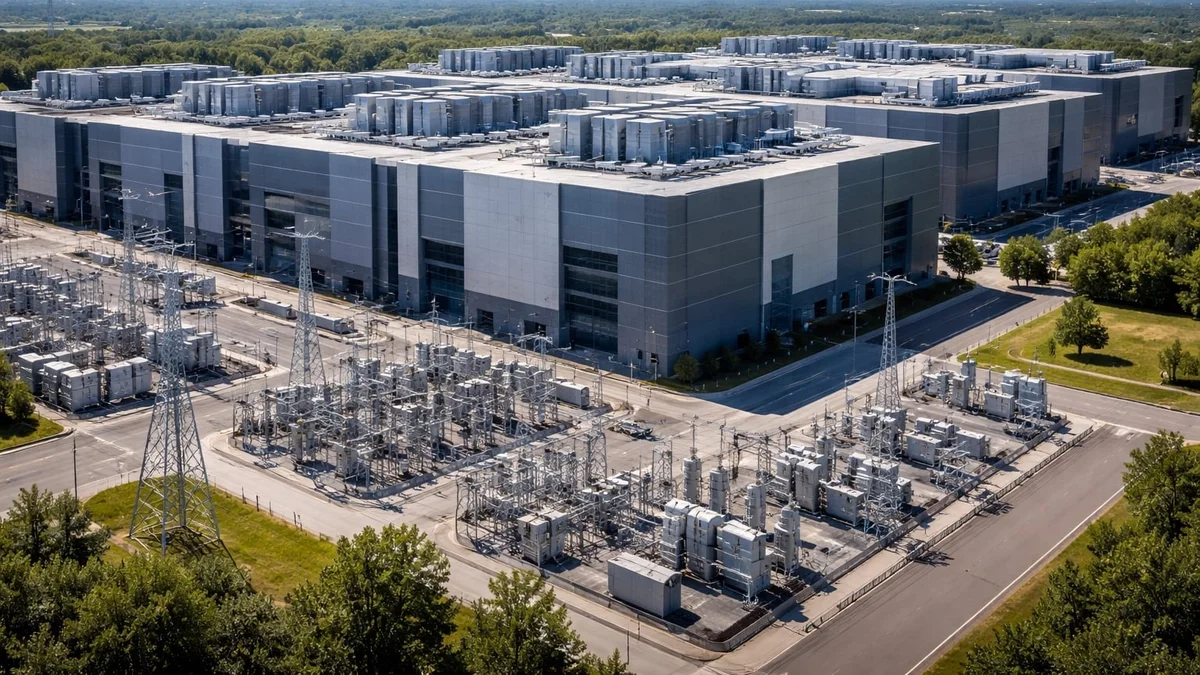
New York Governor Kathy Hochul has signed a policy temporarily halting construction permits for large scale data centers, including those supporting artificial intelligence, for 12 months. The move aims to evaluate the impact of such facilities on the state's energy grid and natural resources, making New York the first state to take such a step in response to surging electricity demand from data centers amid the AI boom. According to a report by The Verge, the moratorium took effect on Tuesday, July 14, 2026. The policy positions New York as a pioneer at the state level in addressing the rapid growth of data centers, which have driven a sharp increase in power consumption.
The Los Angeles Times confirmed that the freeze covers data centers supplying AI computing infrastructure, describing it as an effort to protect the environment and the stability of New York's already strained power grid. The moratorium is not permanent. The state government will use the one year pause to develop new regulations governing energy efficiency, water usage, and environmental impacts of data centers. The New York State Energy Research and Development Authority and the Department of Environmental Conservation will lead the rule making process, which will include public hearings and consultations with industry stakeholders. New York's decision could set a precedent for other states facing similar pressures.
California, Texas, and Virginia have also grappled with soaring electricity demand from data centers, but none have yet imposed a moratorium. In California, lawmakers have introduced bills to increase oversight of data center energy use, while Texas has seen utility companies struggling to keep pace with demand from new facilities. Virginia, home to the world's largest concentration of data centers in Loudoun County, has faced local opposition over power reliability and environmental concerns. The policy creates uncertainty for data center operators and technology companies planning to expand computing capacity in New York. Major firms such as Google, Microsoft, and Amazon have not issued official statements on the direct impact of the moratorium on their operations.
However, industry groups have expressed concern that the freeze could deter investment and slow the adoption of AI technologies. The Data Center Coalition, a trade association, warned that the moratorium could undermine New York's competitiveness as a hub for digital infrastructure. Proponents of the policy argue that it is necessary to prevent the power grid from being overwhelmed. New York's grid operator, the New York Independent System Operator, has projected that data center electricity demand could grow by up to 50% over the next five years, straining capacity and potentially leading to higher costs for consumers. Environmental groups have also raised concerns about the carbon footprint of data centers, which require massive amounts of electricity for computing and cooling.
During the moratorium, the state will study the cumulative effects of data centers on energy resources, water supply, and emissions. The new regulations are expected to set stricter standards for energy efficiency, require the use of renewable energy, and mandate water recycling systems. The outcome could influence how other states regulate data centers, potentially leading to a patchwork of rules across the country. The technology industry will closely monitor the regulatory process to see whether the new rules permanently limit data center growth or simply impose tighter operational standards. Some analysts suggest that the moratorium could accelerate the development of more efficient data center designs and push companies to locate facilities in states with more favorable policies.
Others warn that it could slow AI innovation if computing capacity becomes constrained. New York's move comes amid growing global scrutiny of data centers' environmental impact. In Europe, countries like Ireland and the Netherlands have imposed restrictions on new data centers due to grid constraints. The United States has lagged behind in such regulation, but New York's action may signal a shift. The state's decision could also affect plans for large scale AI projects, such as those requiring massive clusters of graphics processing units, which are particularly power hungry. As the moratorium takes effect, the next development will be the drafting of regulations by New York energy and environmental authorities.
The industry will watch closely to see if the new rules will permanently curb data center growth or simply set more stringent operational standards. The outcome could have far reaching implications for the future of AI infrastructure in the United States.