AI
Moonshot AI's Kimi K3 Triggers Second DeepSeek Shock in Semiconductor Stocks
The launch of Moonshot AI's Kimi K3 model sparked a sell-off in global semiconductor stocks, echoing the DeepSeek shock of early 2025.
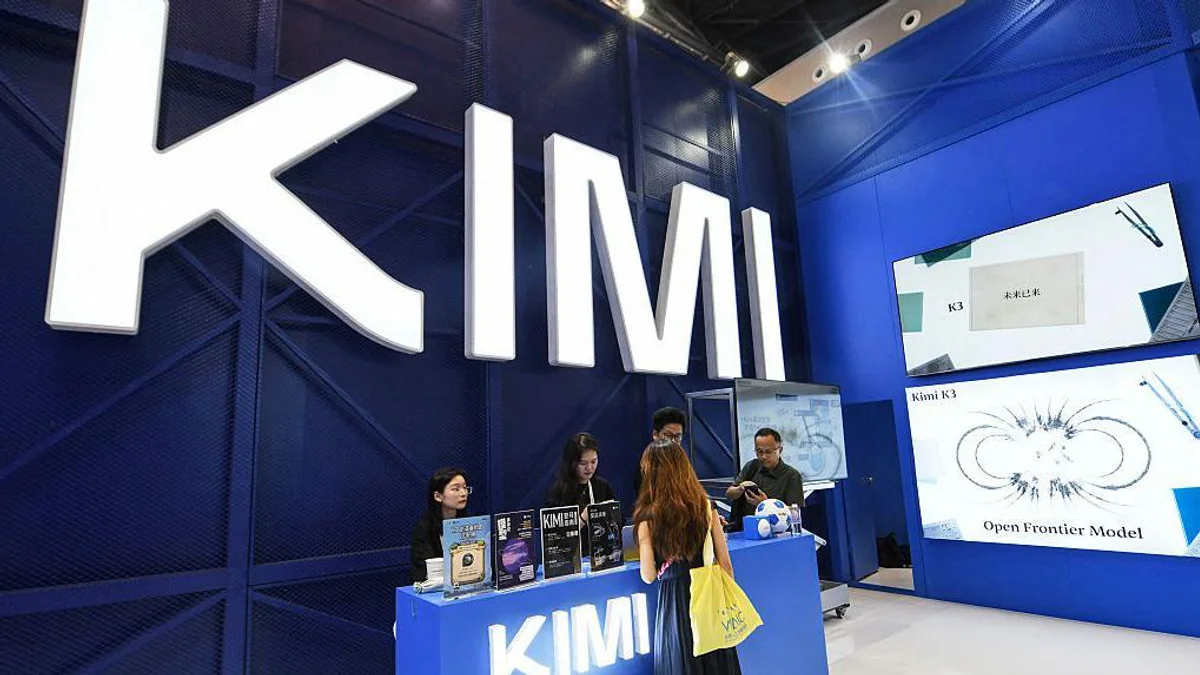
The launch of Moonshot AI's Kimi K3 artificial intelligence model on Friday, July 17, 2026, triggered a broad sell off in global semiconductor stocks, repeating a pattern seen with DeepSeek in early 2025 that erased nearly $600 billion from Nvidia Corp.'s market value in a single day, according to a Bloomberg Technology report. The market reaction to Kimi K3 reflected similar concerns: that advances in Chinese AI could reduce the computing demand that has been a primary driver of demand for advanced chips. Bloomberg reported that the model's launch helped push semiconductor stocks sharply lower, though it did not specify the exact market losses this time. Moonshot AI, a Beijing based Chinese AI startup, developed Kimi K3 as its latest large language model.
According to a CNBC report on July 17, 2026, the model is the latest Chinese AI model to close the performance gap with leading US AI labs such as OpenAI and Anthropic. CNBC noted that Kimi K3 marks a significant improvement in the capabilities of Chinese AI models. Fortune, in its report on July 17, 2026, called Kimi K3 the "second DeepSeek shock" experienced by the market. Fortune cited analysis suggesting that K3 may undermine the common belief that US companies can maintain their lead simply by spending more on computing power than their Chinese rivals. This indicates that innovation in model efficiency could reshape global competitive dynamics.
The key difference between Kimi K3 and previous models, according to Bloomberg, lies in its emphasis on memory rather than computation. Bloomberg reported that Moonshot's Kimi K3 "may be more about memory than computation," pointing to a different architectural approach. If the model indeed relies on larger or more efficient memory to achieve high performance, it could reduce dependence on raw computing power, which has been the main focus of AI development. This memory based approach has direct implications for the semiconductor market. Over the past two years, demand for advanced AI chips, especially Nvidia GPUs, has surged as AI companies race to build massive data centers to train their models.
If models like Kimi K3 can achieve comparable performance with lower computing requirements, demand for such chips could slow, affecting chipmakers' revenues. DeepSeek, which launched its R1 model in early 2025, was the first trigger for such concerns. Bloomberg reported that when DeepSeek's R1 debuted, nearly $600 billion was wiped from Nvidia's market value in a single day. Now, Kimi K3 has sparked a similar reaction, showing that the market remains highly sensitive to news about Chinese AI efficiency. Moonshot AI has not yet issued an official statement regarding the technical specifications of Kimi K3 or how the model achieves its claimed efficiency.
However, both Bloomberg and Fortune reports emphasized that the model raises new questions about whether massive spending on computing is the only path to AI progress. CNBC reported that Kimi K3 also brings renewed focus on the shift toward open weight models. Open weight models allow other developers to download, modify, and run the model independently, which could accelerate adoption and innovation across the AI ecosystem. This contrasts with the closed models from OpenAI and Anthropic, which are only accessible via API. Global semiconductor stocks, including shares of Nvidia, AMD, and other chipmakers, came under selling pressure following news of the Kimi K3 launch. Bloomberg did not detail specific price movements but noted that semiconductor stocks broadly declined.
This indicates that investors are worried about future chip demand prospects if more efficient AI models become the norm. Fortune added that the Kimi K3 shock comes amid rising geopolitical tensions between the US and China in the technology sector. The US government has imposed export restrictions on advanced chips to China, pushing Chinese AI companies to develop more efficient models with limited computing resources. Kimi K3 could be evidence that this strategy is working. Nevertheless, analysts caution that it is too early to conclude the long term impact of Kimi K3 on the global AI industry. The model needs to be independently tested to validate its performance claims.
However, the market reaction shows that investors are not willing to take risks and prefer to sell semiconductor stocks first. Looking ahead, the development of Chinese AI models like Kimi K3 is likely to continue influencing stock market dynamics and global technology competition. If this efficiency trend persists, US AI companies may need to reassess their spending strategies on computing, while chipmakers must prepare for a potential slowdown in demand. Bloomberg, CNBC, and Fortune all emphasized that Kimi K3 is a reminder that AI innovation does not always require unlimited computing power. The memory based approach adopted by Moonshot AI could be a viable alternative, especially in environments with limited access to advanced chips.
As of this writing, there has been no official confirmation from Moonshot AI regarding the technical details of Kimi K3 or plans for commercializing the model. The market will continue to monitor further developments, including potential partnerships or integrations with other platforms.