AI
Microsoft, Nvidia, Meta Warn Against Premature Restrictions on Open-Weight AI Models
25 US tech firms including Microsoft, Nvidia, and Meta signed a letter opposing early limits on open-weight AI models, while OpenAI and Anthropic did not join.
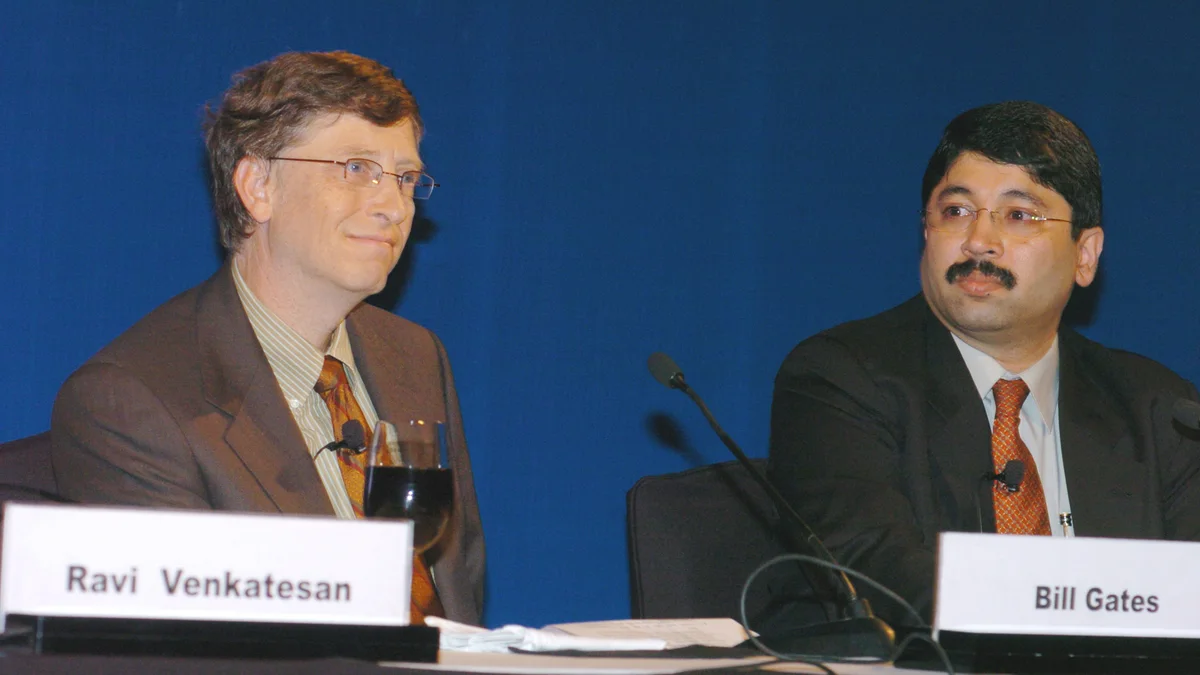
Microsoft CEO Satya Nadella on Monday, July 27, 2026, stated via his official X account that open weight models are essential for a healthy AI ecosystem. The statement came after 25 US technology companies signed a joint letter opposing premature restrictions on open weight models, as reported by CNBC on July 24, 2026. The joint letter, also signed by Nvidia, Meta, and IBM, warned that premature restrictions on open weight models could weaken US competitiveness and limit economic opportunities. Nadella said that together with other companies in the industry, they are outlining a path for open weight models to strengthen US competitiveness and expand economic opportunities while still protecting national security. According to CNBC, Chinese made open weight models are gaining momentum compared to leading offerings from American companies.
This forms an important backdrop for why US companies are urging policies not to be too restrictive, fearing that innovation will shift overseas if domestic regulation is too tight. The joint letter comes amid a divide in AI development and governance philosophies among technology companies. The National News reported on July 24, 2026, that the explanatory letter supporting open weight models marks an increasingly clear difference in approach between companies that support openness and those that prefer closed models. Notably, OpenAI and Anthropic did not sign the letter, as confirmed by CNBC. Google also did not participate, according to a Winzheng report on July 25, 2026.
The absence of these companies that develop closed models indicates a fundamental split in the AI industry over how advanced models should be managed and distributed. Open weight models refer to AI models whose weights are publicly released, allowing other developers to download, modify, and run them locally. This approach differs from closed models such as OpenAI's GPT 4 or Anthropic's Claude, which are only accessible via API and do not share model weights. Proponents of open weight models argue that openness fosters faster innovation, enabling researchers and small companies to build on existing work without starting from scratch. They also contend that greater transparency allows for more rigorous security audits by the broader community.
On the other hand, critics of open weight models, including some companies that did not sign the letter, worry that freely downloadable models could be misused for malicious purposes, such as creating cyber weapons or harmful content without adequate oversight. They also argue that closed models provide better control over usage and security. This debate occurs amid increasing regulatory pressure in the United States and other countries regarding AI safety. The US administration has issued a series of executive orders and draft legislation aimed at regulating AI development, including potential restrictions on open weight models. The joint letter from 25 companies is a coordinated effort to influence policy direction before overly restrictive regulations are enacted.
By emphasizing the importance of open weight models for national competitiveness and economic growth, the signatories hope to persuade policymakers to adopt a more balanced approach. Microsoft's position as articulated by Nadella is particularly significant given that the company is a major investor in OpenAI. Although Microsoft supports closed models through its partnership with OpenAI, the company also develops and releases its own open weight models, such as Phi 3, demonstrating a dual commitment to both approaches. Nvidia, as a leading AI chip supplier, has a direct stake in a rapidly growing AI ecosystem, regardless of whether models are open or closed.
Meta, through its Llama models, has become one of the most vocal advocates of the open weight approach, releasing a series of models that can be freely downloaded by the community. The companies that signed the letter represent a broad spectrum of the technology industry, including cloud companies, chip manufacturers, software firms, and AI startups. This diversity shows that concerns about premature restrictions are not limited to one industry segment. Looking ahead, the outcome of this debate will have major implications for the global AI landscape. If the US imposes strict restrictions on open weight models, development could shift to countries with looser regulations, including China, whose open weight models are already beginning to rival American offerings.
Meanwhile, companies that did not sign the letter, such as OpenAI and Anthropic, will likely continue to push for a more controlled approach, arguing that safety must take priority over the pace of innovation. This divide is expected to deepen as the AI industry matures and the safety implications of different development approaches become clearer.